Portable Power Station vs Inverter Generator for Outages: Which Is Better? (October 2026)
Choose a portable power station for indoor backup without generator exhaust, or an inverter generator for refuelable power outdoors. Match the setup to your essential devices, their startup needs and how long you expect the outage to last.
On this page (7 sections)
- Portable power station vs inverter generator: which is safer indoors?
- Which option can keep essentials running longer?
- What can each backup source power?
- Which setup is easier to use during a storm?
- Which products suit these outage needs?
- What mistakes should you avoid when choosing backup power?
- Which should you choose for your outage plan?
Choose a portable power station for indoor backup without generator exhaust, or an inverter generator for refuelable power outdoors. In a portable power station vs inverter generator comparison, the deciding factors are stored energy, refueling, noise and safe placement.
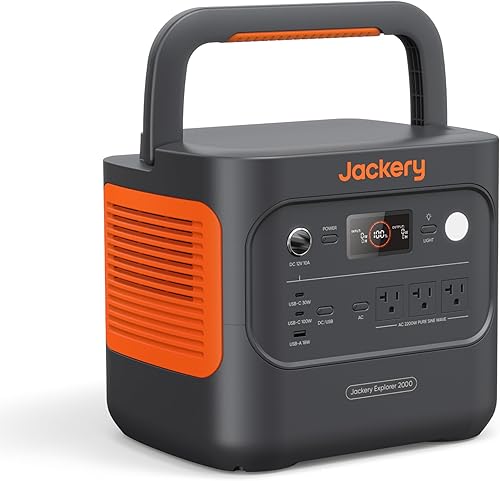
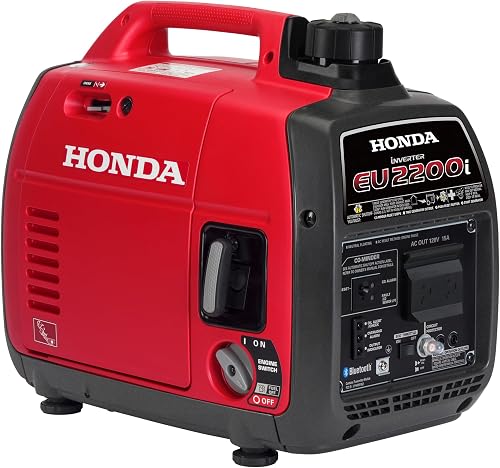
The Jackery Explorer 2000 v2 is battery powered, while the Honda EU2200i and WEN 2350-Watt are gasoline inverter generators. Each can suit an outage plan, but the right choice depends on the appliances you need to run and whether you can use fuel safely.
Start with a list of essentials, such as lights, a router, phones, a refrigerator or a sump pump. Check their running and startup power, then decide how many hours they need to operate and how you can recharge or refuel.
Portable power station vs inverter generator: which is safer indoors?
A battery power station can be used indoors; a gasoline inverter generator must stay outdoors. Never run a fuel-burning generator in a home, garage or enclosed space because exhaust contains carbon monoxide.
The Jackery runs on stored battery energy and has no combustion exhaust during use. Honda's EU2200i includes CO-MINDER, which monitors carbon monoxide and shuts the generator down when detected levels near the home or camper become dangerously high.
That system does not make indoor operation safe.
Read our guide to using a portable power station indoors for placement and ventilation considerations. For a generator, follow its manual and public safety guidance, keeping exhaust away from doors, windows and vents.
Is a portable power station quieter than an inverter generator?
A power station avoids engine noise, while inverter generators still produce sound as they run. Honda rates the EU2200i at 48 to 57 dB(A), and WEN describes its 2350 model as about 51 decibels at quarter load.
Those figures use different stated conditions, so they are not a direct comparison. A battery unit may still run cooling fans, but it has no gasoline engine running beside your home or campsite.
Consider neighbors, sleeping areas and the hours you expect to use backup power. Low noise can make battery power more comfortable at night, while generator noise may be easier to accept outdoors and farther from the house.
Which option can keep essentials running longer?
A generator can keep producing power while it has fuel and stays within its limits; a power station has finite stored energy. For a multi-day outage, fuel access and safe outdoor operation can matter more than a single capacity figure.
The Jackery stores 2042Wh. How long that lasts depends on the devices connected, how often they run and conversion losses, so treat capacity as a planning figure rather than a promise of a fixed number of hours.
Honda states that the EU2200i runs 3.2 to 8.1 hours on a 0.95-gallon tank. WEN describes more than 5.7 hours at half load from its one-gallon tank.
These estimates use different loads and conditions, so compare them with your own expected use.
How do you estimate backup time for a power station or generator?
Estimate the energy your devices need each day before choosing either type. Find the wattage for each essential device and multiply it by the hours you expect to use it.
For a power station, divide available watt-hours by the combined watts for a rough runtime, then allow for inverter losses and devices that cycle on and off. For a generator, compare your expected load with the maker's runtime estimate and plan when you can safely refuel.
Our watts and watt-hours guide explains the difference between power and stored energy. The storm backup power station guide can help you match battery capacity to the essentials you want to cover.
Can solar extend a portable power station outage setup?
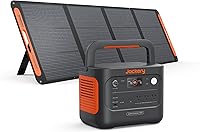
Compatible solar panels can recharge some power stations when sunlight is available. Jackery says the Explorer 2000 v2 can charge in as few as 6 hours with 400W panels, though conditions and setup affect the result.
Solar is a possible way to add energy, not a guaranteed daily supply. Cloud cover, daylight hours, panel placement and your power use all affect how much energy you can put back.
See our guide to portable power stations versus solar generators for how panels fit into a battery setup. Check panel compatibility and charging instructions for your exact equipment before relying on it during an outage.
What can each backup source power?
Compare rated output and startup demand, not just the largest watt number. Jackery and Honda each provide 2200W of output; WEN provides 1900W rated output and 2350W surge output.
Motor-driven appliances and compressors can need extra power for a brief moment when they start. Check the device label or manual and make sure the source can handle both the running load and the startup demand.
WEN's 2350W figure is its surge output, not the amount it can provide continuously. Plan around its 1900W rated output for sustained use, with room for brief startup demands within the unit's limits.
Can a portable power station or generator run a refrigerator or sump pump?
Either may run one if its output handles the appliance's startup and running demand. A refrigerator compressor or sump pump can draw extra power at startup, so check the exact appliance figures before choosing.
For a power station, capacity matters too: it needs enough stored energy for the appliance's run time and cycling pattern. If you need a sump pump during a long outage, consider how often it runs and whether you can recharge the station.
Our guide explains whether a portable power station can run a sump pump. For an air conditioner, compare startup demand and read how to size a power station for a window unit.
Can these portable units power a whole house?
These models suit selected loads, not an automatic whole-home connection. Their output is around 2,000W, so identify the appliances or circuits you want to support and add up their demand.
Do not connect portable equipment to home wiring with an improvised cord. A transfer switch or another approved connection should be installed and used as directed by a qualified electrician and the equipment manuals.
Most households can make a clearer plan by choosing essential devices and running high-draw appliances separately. That keeps the load within the source's limits and makes it easier to estimate battery life or fuel needs.
Which setup is easier to use during a storm?
A power station is simpler when you want to plug in devices without handling fuel or generator exhaust. A generator needs an outdoor location, safe fuel handling and shutdown, but it can continue producing power after refueling.
The Jackery weighs 39.5 lb, the Honda 51 lb and the WEN 39 lb. Think about where you will store and move the unit, as well as where it can operate safely.
Charge a power station before storm season and keep its cables and manual nearby. For a generator, learn the start, stop and refueling steps in advance, and store fuel only as its manual and local rules allow.
What should you prepare before an outage?
Prepare a short load plan and check the equipment before severe weather arrives. Write down each essential device, its wattage and how many hours you expect to use it.
Decide which devices can take turns. A router, lights and phone chargers may not all need to run at once, which can stretch a battery's stored energy and keep a generator load manageable.
Keep compatible charging cables and solar panels together with the power station. For a generator, know where it will run outdoors and how you will keep exhaust away from the home.
If you plan to recharge a station while using it, check that the exact model supports that setup. Our guide to charging a power station while using it covers the points to confirm.
How should you care for each type between outages?
Keep a power station charged according to its manual, and follow the generator's maintenance schedule. A battery is only useful in an outage if it has enough charge, while a gasoline generator also needs fuel and engine care.
For a power station, use compatible charging equipment and keep the unit in a dry, accessible place within its manual's storage guidance. Check its charge periodically so it is ready when needed.
For a gasoline generator, follow the maker's instructions for fuel, oil, filters and storage. WEN's fuel shutoff uses remaining fuel in the carburetor before shutdown, a feature intended to reduce fuel buildup there.
Which products suit these outage needs?
The Jackery suits quiet battery backup, while Honda and WEN suit outdoor use where gasoline refueling is part of the plan. Choose by the job, available power and safe operating location.
What mistakes should you avoid when choosing backup power?
The most common mistake is choosing by headline watts or capacity without checking the devices you need to run. A high surge rating does not mean a unit can supply that level continuously, and battery capacity does not tell you how long every appliance will run.
Check startup demand for compressors and pumps, add the running watts of devices you plan to use together, and leave room within the equipment's limits. For battery backup, estimate hours as well as watts; for a generator, consider refueling and safe placement.
Do not use a gasoline generator indoors, even if it has carbon monoxide monitoring. Also avoid assuming that solar panels will replenish a station at a predictable rate during bad weather, or that any power source can connect directly to home wiring.
Which should you choose for your outage plan?
Pick a power station if indoor use, low engine noise and a precharged battery fit your essential loads; pick an inverter generator if you need refuelable power and can operate it safely outdoors. This portable power station vs inverter generator decision comes down to your load, outage length and fuel plan.
Choose the Jackery Explorer 2000 v2 when its 2042Wh capacity and 2200W output match the devices you need to support. Choose the Honda EU2200i when its gasoline runtime and output suit your outdoor setup, or the WEN when its 1900W rated output covers your load and lower weight matters.
Before a long outage, plan how you will replenish energy and which devices can take turns. Use the storm backup guide to plan essential loads, or read portable power station basics before you choose a battery system.
Frequently asked questions
Is a portable power station or inverter generator better for a power outage?
A portable power station is better when you need battery backup without generator exhaust or engine noise at the point of use. An inverter generator can supply power longer if you have fuel and can operate it safely outdoors.
Match the choice to your essential devices, their startup demand and how long you expect the outage to last.
Can you run an inverter generator inside during an outage?
No. Never run a gasoline generator inside a home, garage or other enclosed area because its exhaust contains carbon monoxide.
Follow the generator manual and public safety guidance for outdoor placement, distance from doors and windows, and safe refueling.
How do you compare power station capacity with generator runtime?
A power station stores a fixed amount of energy, commonly stated in watt-hours, while a fuel generator can keep producing power as long as it has fuel and is operated within its limits. Estimate your devices' wattage and hours of use, then compare that demand with battery capacity or the generator's fuel runtime.
Can a portable power station run a sump pump?
It may, if the station's output can handle the pump's running and startup watts and its battery has enough capacity for the outage period. Check the pump label or manual, then compare those figures with the station.
See our sump pump power station guide for the key checks.
Can you recharge a power station during an outage?
You can recharge many power stations from a compatible wall outlet when power is available, and some support solar charging with compatible panels. A gas generator may also supply charging power if the station allows it and you connect them according to both manuals.
Charging adds conversion losses and doesn't make the setup unlimited.