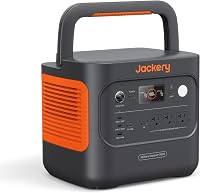
Can You Use a Portable Power Station Indoors?
Yes, you can use a portable power station indoors while it runs on battery power, without fuel exhaust. Choose one with enough output and capacity for your devices, then keep it dry, uncovered, and set up as its manual directs.
On this page (8 sections)
- Can you use a portable power station indoors safely?
- Does an indoor power station produce carbon monoxide?
- What should you check before plugging in appliances?
- Can you run a portable power station in a bedroom?
- Can you recharge a power station indoors?
- How should you set up and care for an indoor power station?
- What indoor power station mistakes should you avoid?
- Is an indoor portable power station right for your backup plan?
Yes, you can use a portable power station indoors while it supplies electricity from its battery, without fuel exhaust during normal operation. To choose one, match its output and stored energy to the devices you need, then set it up as the manual directs.
A battery power station differs from an inverter generator. It has no fuel exhaust while running on battery power, but its outlets, power limits, and charge level determine what you can run and for how long.
Can you use a portable power station indoors safely?
Yes, you can use a portable power station indoors when its manual permits the setup. Place it on a stable, dry surface with space around its vents, away from water, direct heat, and anything that could cover it.
Don't use a damaged unit, frayed cord, or wet outlet. Keep cables where people won't trip over them, and disconnect devices before moving the station.
Portable power stations still have electrical and heat risks. Follow the unit's guidance for charging, airflow, and devices that draw more power than it can supply.
Can you use a portable power station indoors while sleeping?
You may be able to use one while sleeping if the unit and connected devices are set up as their manuals direct. Keep the station uncovered and away from bedding, and avoid running cords under rugs or sheets.
The Bluetti Elite 30 V2 has a stated 10 ms UPS switch for devices such as laptops, routers, and CPAP machines. Check that the unit's output and capacity suit your equipment before depending on it overnight.
The Elite 30 V2 has 288Wh capacity and 600W continuous output. A UPS feature doesn't guarantee that every device will work as expected, so check the device's requirements and the station's instructions.
Does an indoor power station produce carbon monoxide?
A battery power station does not produce carbon monoxide while supplying power from its battery. It doesn't burn gasoline or propane to generate electricity, so it doesn't release generator exhaust during that operation.
A fuel-burning generator produces exhaust and must run outdoors, away from openings where exhaust could enter the home. Never bring a running fuel generator into a house, garage, shed, or other enclosed space.
A power station may be recharged from a generator in some setups, but the generator still belongs outdoors. Route charging cords to avoid pinching them in closed doors, getting them wet, or creating a trip hazard.
For the broader backup decision, read portable power station vs inverter generator for outages. It explains the difference between battery backup and a fuel-burning generator.
What should you check before plugging in appliances?
Check each device's running and startup power against the station's output limits. Appliances with motors or heating elements may need more power to start than they draw once running.
Add up the devices you plan to connect at the same time. Stay within the station's rated output and check its manual for limits on outlets or operating modes.
Capacity also matters. A higher watt-hour (Wh) rating stores more energy, while watts describe how quickly a device draws power; what a watt-hour means explains the difference.
If you need help matching devices to available output, browse the what portable power stations can run category. For a practical operating checklist, see how to use a portable power station.
Which portable power station suits indoor backup?
Choose a station based on the devices you need to power, their total draw, and how long you need them to run. A small unit can cover a few essentials, while a higher-capacity model gives you more stored energy for a longer outage.
The Jackery Explorer 1000 v2 has 1,070Wh capacity, 1,500W AC output, and three pure sine wave AC ports. It suits a backup plan with several compatible AC devices or a longer run time; skip it if you only need a small, light station for a phone or a few low-power devices.
The Bluetti Elite 30 V2 has 288Wh capacity and 600W continuous output. Its compact size suits a few smaller devices or a short backup, but its limited capacity is a poor fit for several appliances over a long outage.
The Bluetti AC180 has 1,152Wh capacity and 1,800W output. It suits users who need more output headroom and stored energy than a compact station offers; skip it if carrying a lighter unit matters more than running a broader set of devices.
Can you run a portable power station in a bedroom?
Yes, if you can place it safely and keep its vents clear. Use a firm surface, keep the unit out of bedding and curtains, and follow its instructions for spacing and charging.
Think about the connected devices as well as the station. A CPAP machine, lamp, phone, and router can have different power needs, and each device's instructions still apply when a battery station supplies power.
Estimate the total load before bedtime and make sure the remaining charge can cover the time you need. If the station cannot supply enough power, don't try to bypass its limits; choose another backup plan.
Can you recharge a power station indoors?
You can recharge a power station indoors when its manual allows the charging method and conditions. Use an approved cable and outlet, keep the unit dry, and leave its vents unobstructed while it charges.
Charging choices vary by model. The Bluetti Elite 30 V2 supports AC wall, car, solar, lead-acid battery, and combined AC plus solar charging; the Jackery Explorer 1000 v2 offers app-controlled emergency charging and works with Jackery solar panels.
Use the charging mode and setup described for your model. For outage planning, see how long it takes to charge a portable power station.
How should you set up and care for an indoor power station?
Set the station on a stable, dry surface and leave its vents open. Choose a spot where it won't be knocked over, splashed, covered, or exposed to direct heat.
Before an outage, charge it using an approved method and learn which outlet powers each device. Keep the manual and charging cables together so you can follow the right instructions when power is out.
Check the unit, cords, and outlets for damage before use. Keep the station dry and clean, store it according to its manual, and follow the maker's guidance for long-term charging and care.
What indoor power station mistakes should you avoid?
Keep the station dry, uncovered, and within its rated limits. Don't run it where spills can reach it, cover it with fabric, or put it in a tight cabinet while it is operating.
Avoid overloading it by connecting too many devices at once. Check startup needs for appliances with motors or heating elements, and don't use damaged cords or a setup the station's manual forbids.
Don't confuse the station's stored energy with its output limit. A large capacity doesn't mean it can run a device that draws more watts than the station can supply.
Is an indoor portable power station right for your backup plan?
Choose an indoor power station when its output and stored energy match your essential devices and the time you need them. The Elite 30 V2 suits a few lower-power essentials for a short backup, while the Jackery Explorer 1000 v2 and Bluetti AC180 suit plans that call for more capacity or output.
Start by listing the devices you want to keep running, check their wattage and startup needs, then choose a station that meets those limits. The storm backup power station guide can help you compare options for outages.
Frequently asked questions
Can you use a portable power station indoors overnight?
Yes, you can use a battery power station indoors overnight if its manual allows the setup and the connected devices stay within its limits. Keep the unit dry and uncovered, with clear space around its vents, and place it away from bedding and curtains.
Check its charge and your devices' expected power needs before relying on it.
Do portable power stations give off carbon monoxide?
A battery power station does not burn fuel while supplying power from its battery, so it produces no generator exhaust during that operation. A fuel-burning generator produces exhaust and must be operated outdoors, away from doors and windows.
Follow the instructions for either device.
Can you charge a portable power station inside the house?
Many portable power stations can be charged indoors, but use only charging methods and conditions allowed by the unit's manual. Set it on a dry, stable surface with room around vents, and keep cords away from water, heat, and walkways.
Stop if you notice damage or unusual heat.
Is it safe to leave a portable power station plugged in all the time?
It depends on the model and its charging modes. Check the manual for long-term backup guidance, since some units offer a mode intended for backup use.
Keep the station dry and ventilated, and inspect its cord and surroundings before leaving it connected.