Jackery vs 4Patriots Solar Generator: Which to Buy? (November 2026)
Pick the Jackery Solar Generator 300 and 40W Solar for light, portable power and the Jackery Solar Generator 1000 v2 with 200W Panel for fridges and home backup. In this jackery vs 4patriots solar generator comparison, the Jackery pair wins on specs you can check and clear solar charging times.
On this page (9 sections)
- Jackery vs 4Patriots solar generator: what the comparison comes down to
- Which Jackery kit runs the appliances you own?
- How fast does each kit charge from the sun?
- Which kit lasts longer?
- Which kit is easier to live with?
- How does Jackery compare with 4Patriots as a brand?
- Who should buy the Explorer 300 kit?
- Who should buy the Explorer 1000 v2 kit?
- Verdict: which solar generator should you buy?
Pick the Jackery Solar Generator 300 and 40W Solar for light, portable power and the Jackery Solar Generator 1000 v2 with 200W Panel for fridges and home backup. In this jackery vs 4patriots solar generator comparison, the Jackery pair wins on specs you can check and clear solar charging times.
The choice between these two Jackery kits is really a choice about load size. One fits in a daypack and charges phones and laptops.
The other sits by the fridge and keeps it cold through a storm outage.
We compared the specs of both Jackery kits and what the two jobs need from a solar generator. The overall pick is the Explorer 300 kit, because it covers the most common job (charging small devices away from an outlet) at a weight almost anyone can carry.
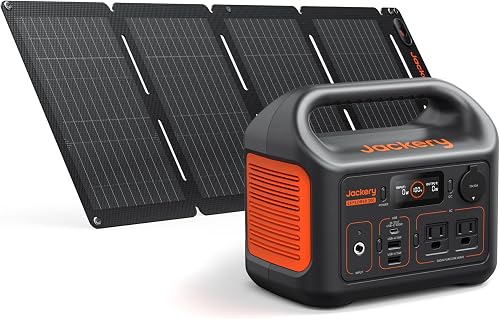 Best for camping and light backup
Jackery Solar Generator 300 and 40W Solar
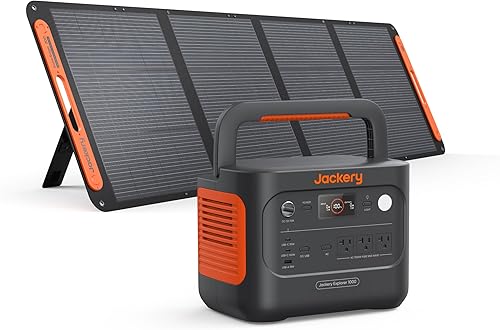 Best for home backup and fridge power
Jackery Solar Generator 1000 v2 with 200W Panel
Jackery vs 4Patriots solar generator: what the comparison comes down to
Jackery publishes the watt-hours, AC output and solar charge times for each kit, so you can match a station to your appliances before you buy. That is the deciding factor in the jackery vs 4patriots solar generator question.
The Explorer 300 kit carries a 292Wh battery and a 300W AC output. The Explorer 1000 v2 kit carries 1,070Wh and a 1,500W output.
Those two figures set what each one can run.
Solar generators pair a battery station with a folding panel. If you are still working out the category, our guide on portable power station vs solar generator explains what the kit adds over a bare battery.
If you want the wider field, our roundup of the best solar generator kits puts these Jackery models next to other brands.
| Product | Best for | Capacity | AC output | Battery | Our score |
|---|---|---|---|---|---|
| Jackery Solar Generator 300 and 40W Solar | camping and light backup | 292Wh | 300W, 600W peak | LiFePO4 | 9.6 |
| Jackery Solar Generator 1000 v2 with 200W Panel | home backup and fridge power | 1,070Wh | 1,500W, 3,000W peak | LiFePO4 | 8.8 |
Which Jackery kit runs the appliances you own?
The Explorer 300 kit runs small electronics; the Explorer 1000 v2 kit runs kitchen and home appliances. Add up the running watts of everything you plan to plug in at once, then compare that total to each station's rated output.
The smaller kit has a 300W rated output and a 600W peak surge. That covers laptops, drones, cameras, a phone charger and a small fan together.
The larger kit has a 1,500W rated output and a 3,000W surge peak. Jackery says it can power multiple appliances, including AC units, fridges and electric pots.
What the Explorer 300 kit handles
The 300W output is the limit. A laptop draws far less than that, and a drone charger or camera battery station is in the same range.
The kit gives you two AC outlets, a 100W USB-C PD port, two USB-A ports and a 120W car port, so six devices can share the station.
For a camping weekend or a day hike, that is plenty. The Explorer 300 weighs 7.5 lb, which Jackery says is 17% lighter than the industry average for its class.
The integrated handle means you carry it like a small bag.
Think of it as a phone, laptop and camera battery bank with a wall outlet. It won't run a space heater or a coffee maker.
What the Explorer 1000 v2 kit handles
The 1,500W output changes the job. It can run a home fridge, a small AC unit or an electric pot, and the 3,000W surge gives motor-driven appliances room to start.
At 1,070Wh, it also runs longer. A fridge that cycles on and off draws far less than its label suggests over a day, so this station can hold a cold fridge through a storm outage.
It weighs 23.8 lb and has a foldable handle. That is a two-hand lift for most people, and it sits better in a garage or by the kitchen than in a backpack.
How fast does each kit charge from the sun?
The 40W panel on the small kit needs about 7.5 hours to reach 80%; the 200W panel on the larger kit gets to 80% in about 6 hours. Sun angle, cloud and shade all stretch those times.
The Explorer 300 kit reaches 80% in about 7.5 hours from its included 40W panel. Pair the same station with a 100W Jackery panel and 80% comes in about 2.8 hours.
That faster panel is sold separately.
The Explorer 1000 v2 kit reaches 80% in about 6 hours from its 200W panel. That is quick for a battery this size and makes the kit usable as a daily solar setup, not just an emergency one.
If you plan to add panels, our guide to the best solar panels for portable power station covers matching wattage and connectors. A larger panel shortens charge time but adds bulk to a camping kit.
Wall and car charging as a backup
Solar isn't the only way to top up either kit. The Explorer 300 charges fully in about 3 hours from a 100W USB-C source, or about 4 hours from a car port.
The Explorer 1000 v2 charges from 0 to 100% in one hour with emergency charging turned on in the Jackery App. It defaults to 1.7 hours to protect battery health.
A 600W alternator charger gets it full in about 3 hours.
That one-hour mode is the practical difference for storm prep. You can charge the station from a wall outlet the morning a warning goes up and have it ready before the power drops.
Which kit lasts longer?
Both kits use LiFePO4 cells rated for over 4,000 charge cycles to 70% capacity. Jackery says that works out to more than 10 years of regular use, and it is the strongest shared feature in this comparison.
Older power stations used other lithium chemistries with shorter cycle lives. LiFePO4 holds up better over repeated charges, which matters if you cycle the station often for camping or storm seasons.
The Explorer 300's cell life means the kit should still hold most of its capacity after years of weekend trips. The Explorer 1000 v2 carries the same rating, so battery life isn't the reason to pick one over the other.
How you store them matters more than the chemistry claim. Keep either station out of extreme heat, charge it to a partial level for long storage, and run it down and back up every few months.
Which kit is easier to live with?
The Explorer 300 kit wins on portability; the Explorer 1000 v2 kit wins on everyday power and app control. Pick by where the station will live most of the year.
The small kit is the one you toss in the car or carry to a campsite. At 7.5 lb with a built-in handle, it's light enough to move one-handed and small enough to store in a closet.
The larger kit stays put. Its 23.8 lb weight and foldable handle make it a garage or kitchen appliance, and its 1,500W output means you won't move it to the campsite unless you need serious power there.
The app and charge modes on the larger kit
The Explorer 1000 v2 pairs with the Jackery App. You can switch between one-hour emergency charging, a 30 dB quiet overnight mode and an energy efficiency mode.
Those modes let you choose speed or quiet depending on the situation. A quiet overnight charge suits an apartment or a bedroom; the emergency mode suits a storm warning.
The Explorer 300 is charged from solar, wall or car, and you use its outlets directly.
That is simpler, and for a camping kit it's often enough.
Ports and outlets on each kit
The Explorer 300 has two AC outlets, one 100W USB-C PD port, two USB-A ports and a 120W car port. That mix covers a family's phones plus a laptop and a camera.
The Explorer 1000 v2 has two USB-C ports, one USB-A port, one DC car port and three pure sine wave AC ports. The extra AC outlet and the 100W USB-C PD output suit a household with several devices charging at once.
Pure sine wave output matters for sensitive electronics like laptops and medical devices. Both kits deliver it, so that isn't a deciding factor here.
How does Jackery compare with 4Patriots as a brand?
Jackery sells individual stations and panels with published specs; 4Patriots sells emergency kits and bundles. That packaging difference shapes how you compare them.
With Jackery, you pick the station size and the panel separately. The Explorer 300 kit and the Explorer 1000 v2 kit bundle a panel with the station, but the spec sheet still lists watt-hours and output for each part.
4Patriots kits are aimed at emergency buyers. Their bundles often include extras like cables or lights.
Compare the stated watt-hours and AC output of the station inside the bundle, then match those figures to your appliance list the same way you would with Jackery.
If you are weighing another brand, our Jackery vs Bluetti comparison runs the same kind of check on capacity, output and charging. The method is the same: size the station to the load first, then compare features.
What to check on any solar generator kit
Start with watt-hours. That figure sets how long the station runs a given load.
Next, check AC output and surge, which set what it can start.
Then look at solar charge time and panel wattage. A kit with a small panel takes most of a day to refill; a kit with a larger panel refills faster but costs more and packs heavier.
Finally, check battery chemistry and cycle rating. LiFePO4 with 4,000-plus cycles is the current standard for kits you plan to keep a decade.
Both Jackery kits here meet it.
Who should buy the Explorer 300 kit?
Buy the Explorer 300 kit if you camp, hike or want a light backup for phones and laptops. It is the best pick for most people because it covers the most common solar generator jobs at a weight you'll actually carry.
The 292Wh battery runs a laptop or a phone several times over. The 300W output handles small devices, and the 40W panel keeps it topped up on a sunny trip without adding much weight.
It also suits a small apartment or a car emergency kit. It won't run a fridge or a space heater, so don't buy it expecting whole-home backup.
For that, step up to the larger kit.
Who should buy the Explorer 1000 v2 kit?
Buy the Explorer 1000 v2 kit if you want to keep a fridge cold through an outage or run kitchen appliances off-grid. It is the best pick for home backup and for anyone whose load goes beyond small electronics.
The 1,070Wh battery and 1,500W output cover a fridge, a small AC unit or an electric pot. The 200W panel refills it in about 6 hours to 80%, so a sunny day after a storm can restore most of the charge.
It also suits RV owners and off-grid cabins that need real appliance power. The weight rules it out as a hiking kit, but that's the trade for the output.
Verdict: which solar generator should you buy?
Buy the Jackery Solar Generator 300 and 40W Solar for most people, and buy the Jackery Solar Generator 1000 v2 with 200W Panel if your plans include a fridge or home backup. The smaller kit wins overall on weight and everyday usefulness.
The jackery vs 4patriots solar generator question really asks whether a kit's published specs match your load. Jackery answers that clearly for both kits here.
Pick the 300 kit for camping, travel and light outages. Pick the 1000 v2 kit when the load includes kitchen appliances and you want a station that doubles as home backup.
If you are still unsure, write down the watts of everything you want to run at once. Under 300W points to the small kit.
Above that, the larger kit is the one to buy.
Frequently asked questions
Is Jackery or 4Patriots better for solar backup?
Jackery's published specs make it easier to size a kit to your appliances. Pick the Explorer 300 kit for phones and laptops, or the Explorer 1000 v2 kit for a fridge and short home outages.
4Patriots kits are sold as bundles, so compare their stated watt-hours and output against the same appliance list before you buy.
How long does a Jackery solar generator take to charge with its panel?
The Explorer 300 reaches 80% in about 7.5 hours with the included 40W panel. The Explorer 1000 v2 reaches 80% in about 6 hours with the 200W panel.
Cloud, shade and panel angle all stretch those times.
Can a Jackery solar generator run a fridge?
The Explorer 1000 v2 has 1,500W AC output and 3,000W surge, enough for many home fridges. The Explorer 300 tops out at 300W, so it suits laptops, phones, cameras and small fans, not a full-size fridge.
How long do the batteries last?
Both kits use LiFePO4 cells rated for more than 4,000 charge cycles to 70% capacity. Jackery says that works out to over 10 years of regular use.
How often you cycle the battery and how you store it affect real life.
Can I add a bigger solar panel later?
Yes. The Explorer 300 charges faster from a 100W panel, reaching 80% in about 2.8 hours.
The Explorer 1000 v2 accepts larger panels too.
Check the panel's connector type and voltage range against the station before you buy.